



A Practical Legal Overview for Entrepreneurs and Investors
Starting a business in Greece requires more than just a commercial idea. One of the most critical decisions at the outset is the selection of the appropriate legal form. The structure chosen will determine the extent of liability, the applicable tax framework, social security obligations, capital requirements and the overall institutional credibility of the enterprise. Greek law provides several business forms, each designed to serve different entrepreneurial needs and risk profiles.
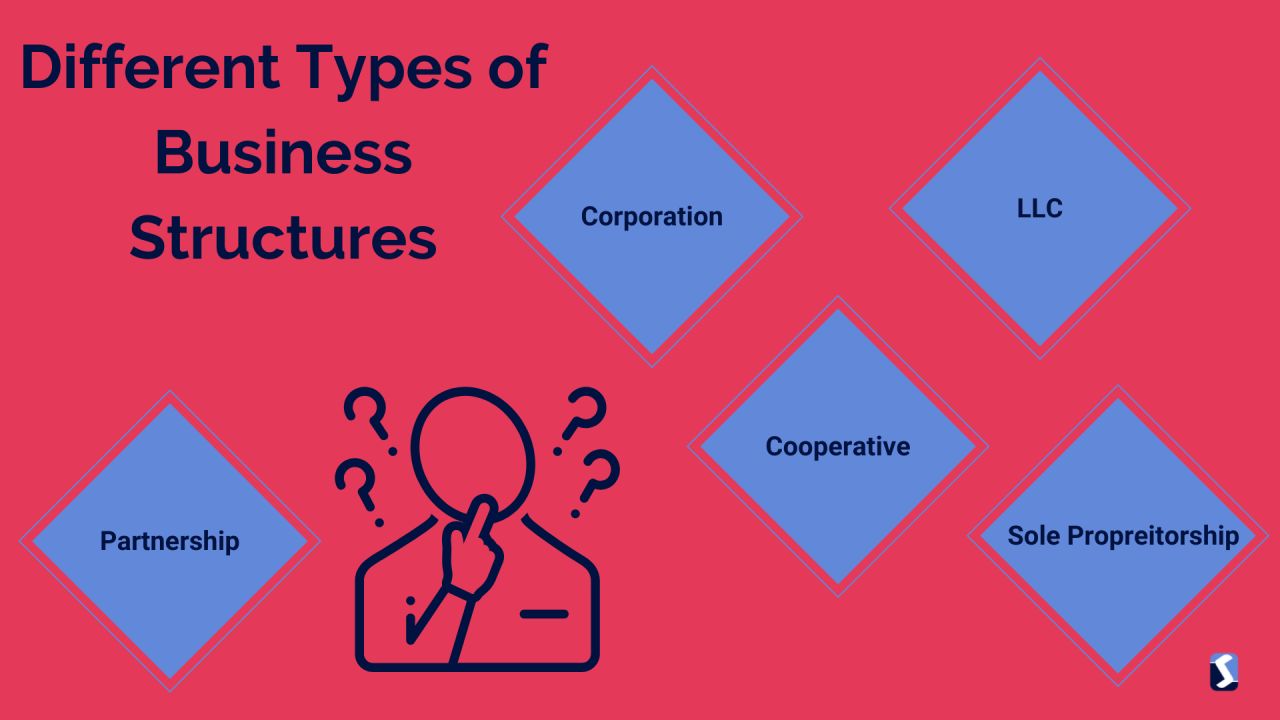
The Main Business Structures in Greece
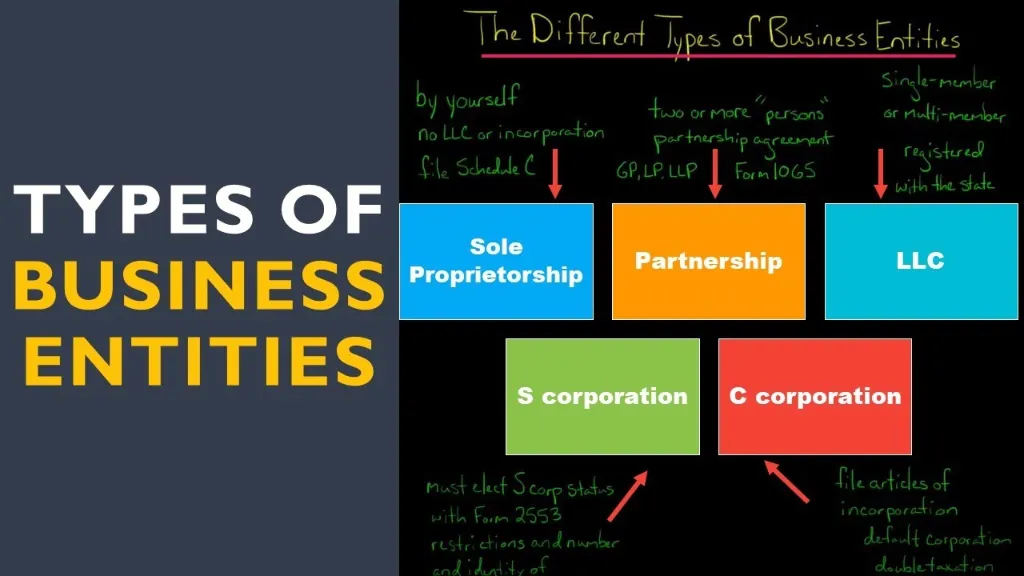
Sole Proprietorship
The simplest form of business activity. It does not constitute a separate legal entity, meaning that the entrepreneur bears unlimited personal liability. It is typically suitable for small-scale or low-risk professional activities.
General Partnership (O.E.)
A partnership structure where all partners bear unlimited and joint liability. It remains common in small, trust-based businesses, particularly family ventures.
Limited Partnership (E.E.)
A hybrid partnership model distinguishing between general partners (with unlimited liability) and limited partners (liable only up to their contribution). It is often used where passive investment participation is desired.
Private Company (I.K.E.)
Currently the most popular corporate form in Greece. It offers limited liability with a minimum capital requirement of only one euro. It may be established as a single-member or multi-member company and provides flexibility in corporate governance. For many entrepreneurs, the I.K.E. represents the most balanced option between protection, flexibility and cost-efficiency.
Anonymous Company (A.E.)
The classical capital company under Greek law. It requires a minimum share capital of 25.000 euros and is typically chosen for larger-scale projects, institutional investment and companies seeking enhanced credibility in the market.
Why the Choice Matters
The differences between these structures are not merely formal. They affect:
- Personal exposure to business liabilities
- Taxation and distribution of profits
- Social security obligations
- Administrative and reporting requirements
- Long-term expansion and financing capacity
Selecting an inappropriate structure at the beginning may lead to restructuring at a later stage, often involving additional legal and tax consequences.
Strategic Legal Guidance Before Incorporation
There is no universally “best” company form. The appropriate structure depends on the specific business model, risk level, investment plan and long-term objectives. A preliminary legal assessment tailored to the particular circumstances of each project is strongly recommended before incorporation.
If you are considering establishing a business in Greece and would like personalized legal guidance, our firm provides structured advisory services to assist you in selecting and forming the most appropriate corporate structure.
📩 Contact us for a tailored consultation.