


Which structure to choose in Greece and why
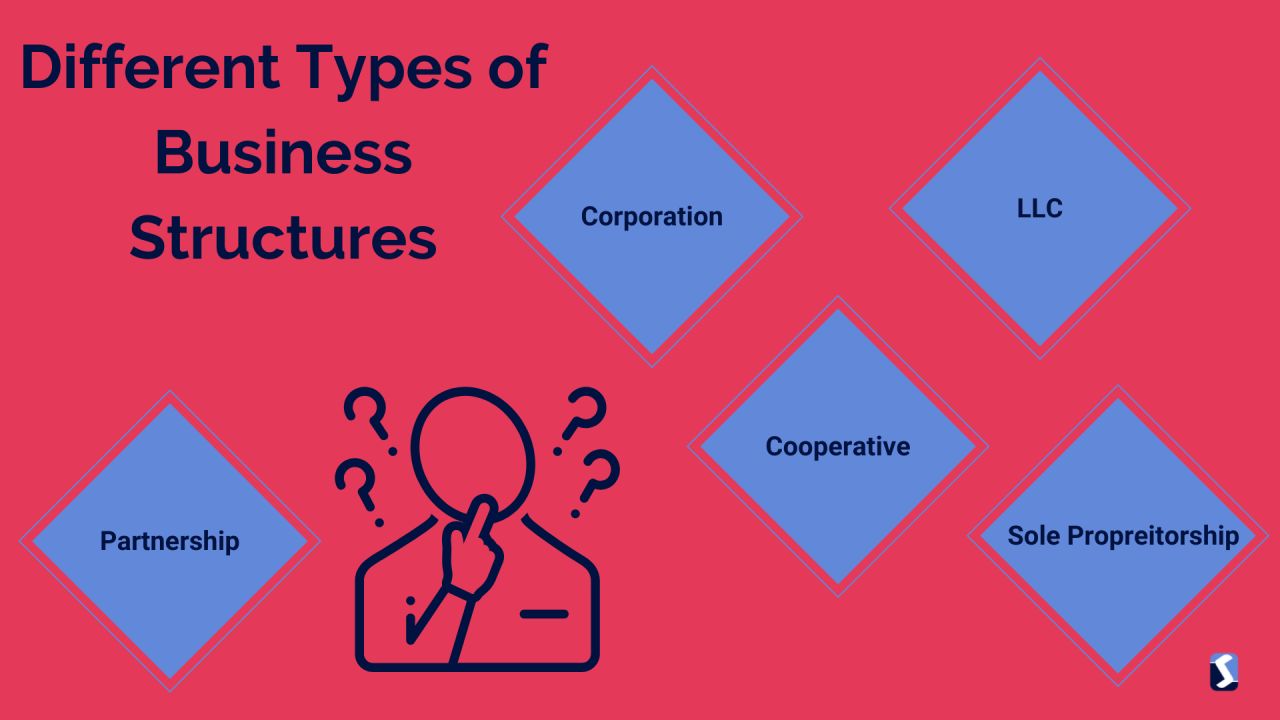
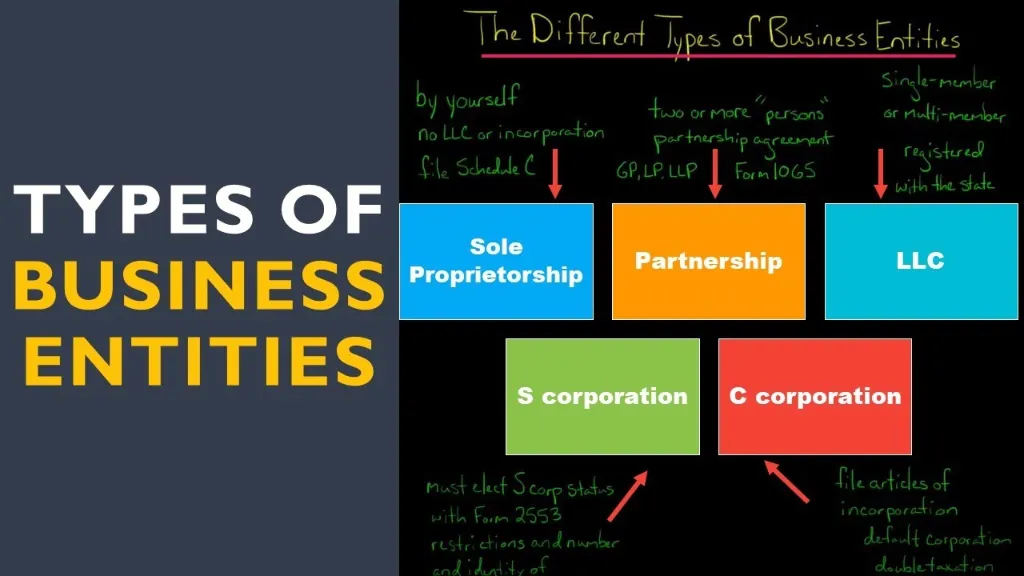
Choosing the right company form affects liability, credibility, costs, and growth options. Below is a practical overview of the three most common structures for founders and investors in Greece.
Anonymous Company (A.E.)
What it is: A pure capital company with limited liability for shareholders.
Key points:
• Requires a minimum share capital of 25.000 euros.
• Shares can be common or preferred; can also issue other securities (e.g., bonds).
• General Meeting + Board of Directors (≥3 members) govern the company (for very small A.E., a single advisory manager may be possible).
• Annual financial statements and (where applicable) audits; higher bureaucracy and disclosure.
→ Best for: Larger ventures, institutional credibility, complex financing.
One-person Private Company (I.K.E.)
What it is: A flexible capital company with limited liability; can be single-member.
Key points:
• Capital from 1 euro (cash or in-kind).
• Three contribution types: capital, non-capital (services/obligations), guarantee (at least one capital share required).
• Simple governance, lighter admin, very popular with founders.
→ Best for: Start-ups and SMEs seeking flexibility, low entry cost, and limited liability.
Shared obligations for A.E. and I.K.E.
Both are taxed as legal entities and share core compliance:
• Corporate income tax: flat 22% (on net profits).
• Withholding tax: 5% on dividends (and where applicable on certain fees/interest/royalties).
• VAT: books & periodic returns (standard rate 24%; reduced 13%/6% for specific goods/services).
• Payroll & social security: monthly filings/remittances.
• Business levy: typically 1.000 euros annually (registered office in Greece).
• myDATA & e-Books: mandatory e-invoicing/reporting.
• Annual filings: financials + corporate tax return (E3 & N); publication with GEMI (mandatory for A.E., commonly for I.K.E.).
General Partnership (O.E.)
What it is: A partnership (not a capital company).
Key points:
• No minimum capital; fast to set up; simpler day-to-day operation.
• Unlimited, joint and several liability of partners (extends to personal assets).
• Taxed as a legal entity (22%); 800 euros business levy; VAT/payroll/myDATA obligations.
• All partners typically subject to EFKA social insurance contributions (as self-employed), even if not actively managing.
→ Best for: Very small, trust-based or family businesses with modest goals.
Quick comparison
• Liability: A.E. and I.K.E. = limited | O.E. = unlimited (partners’ personal assets at risk).
• Capital needs: A.E. higher (≥25.000 euros) | I.K.E. minimal (1euro) | O.E. none.
• Governance/admin: A.E. heavier | I.K.E. lighter | O.E. simplest.
• Credibility/scale: A.E. highest | I.K.E. strong for SMEs | O.E. limited for growth/investors.
• Social security: Company officers/employees as applicable (A.E./I.K.E.) | All partners pay EFKA (O.E.).
So… which one should you choose?
→ Aim for scale / institutional investors / complex financing? Choose A.E.
→ Need flexibility, low capital, limited liability for SMEs/start-ups? Choose I.K.E. (the most balanced choice for most entrepreneurs).
→ Very small, family/trust-based venture with minimal ambitions? Consider O.E., noting the unlimited liability and EFKA burden for partners.
Need tailored advice?
We assess your business plan, funding needs, governance preferences, and tax/HR footprint to recommend the optimal structure, and we handle formation, GEMI filings, banking, tax registrations, and ongoing compliance.